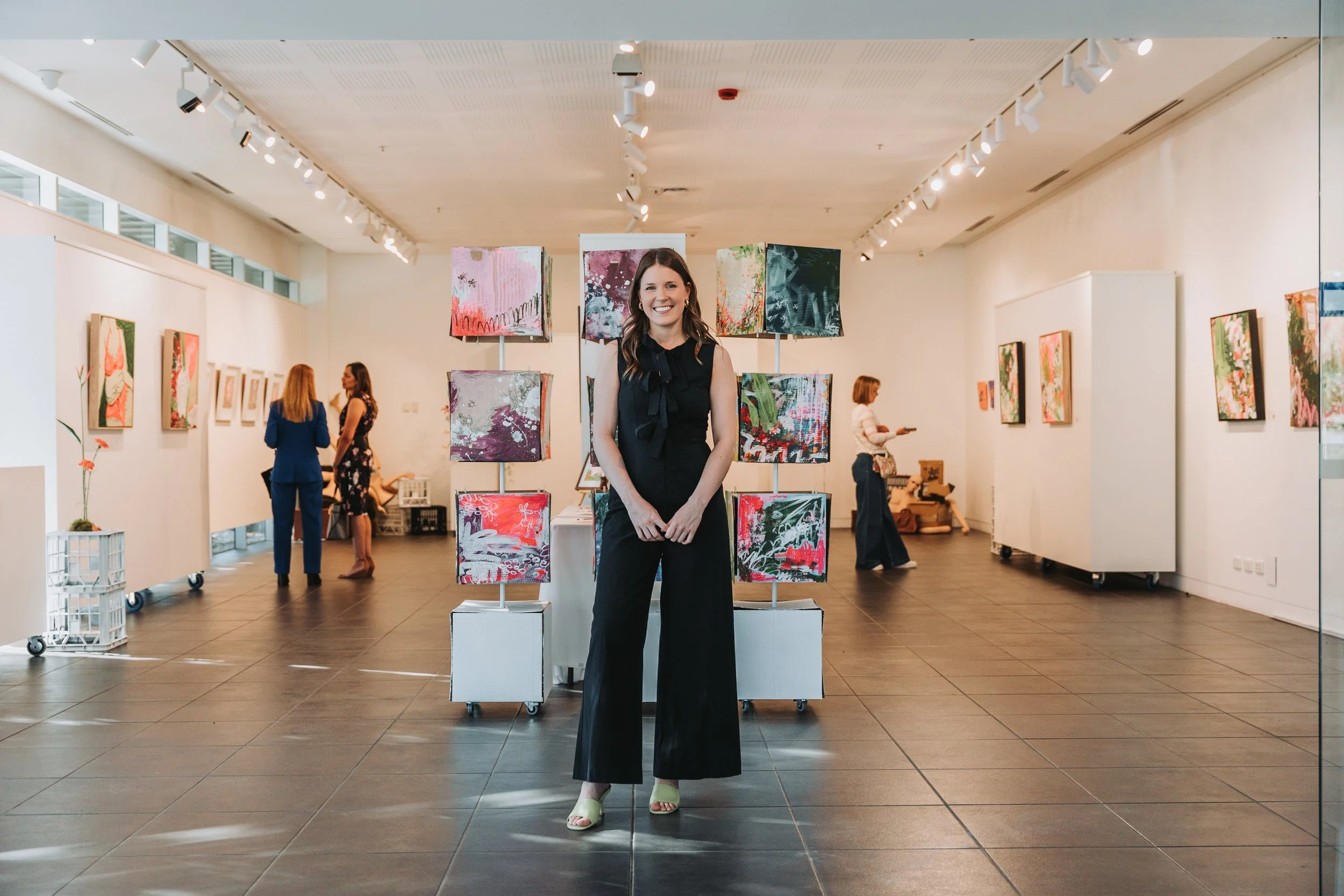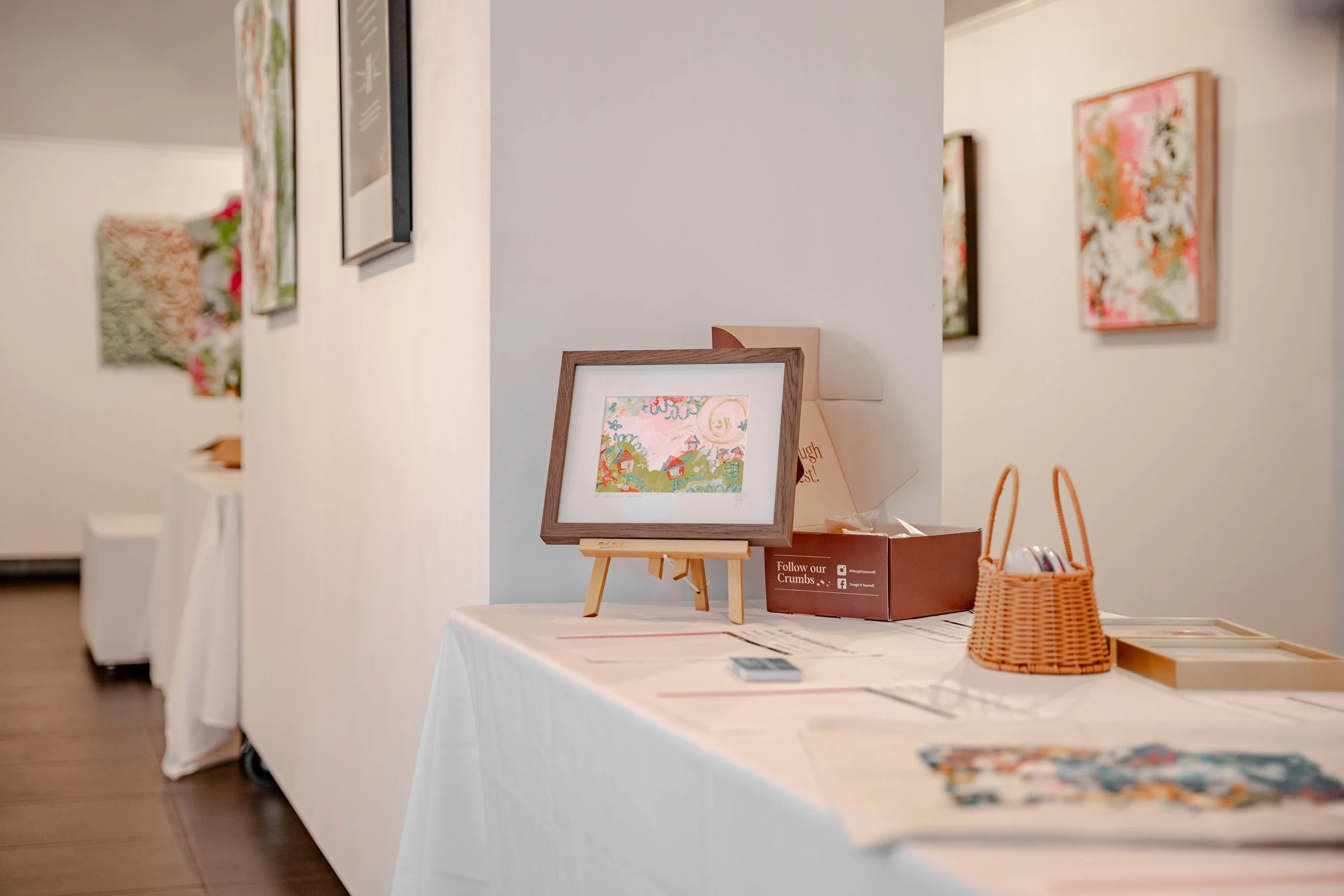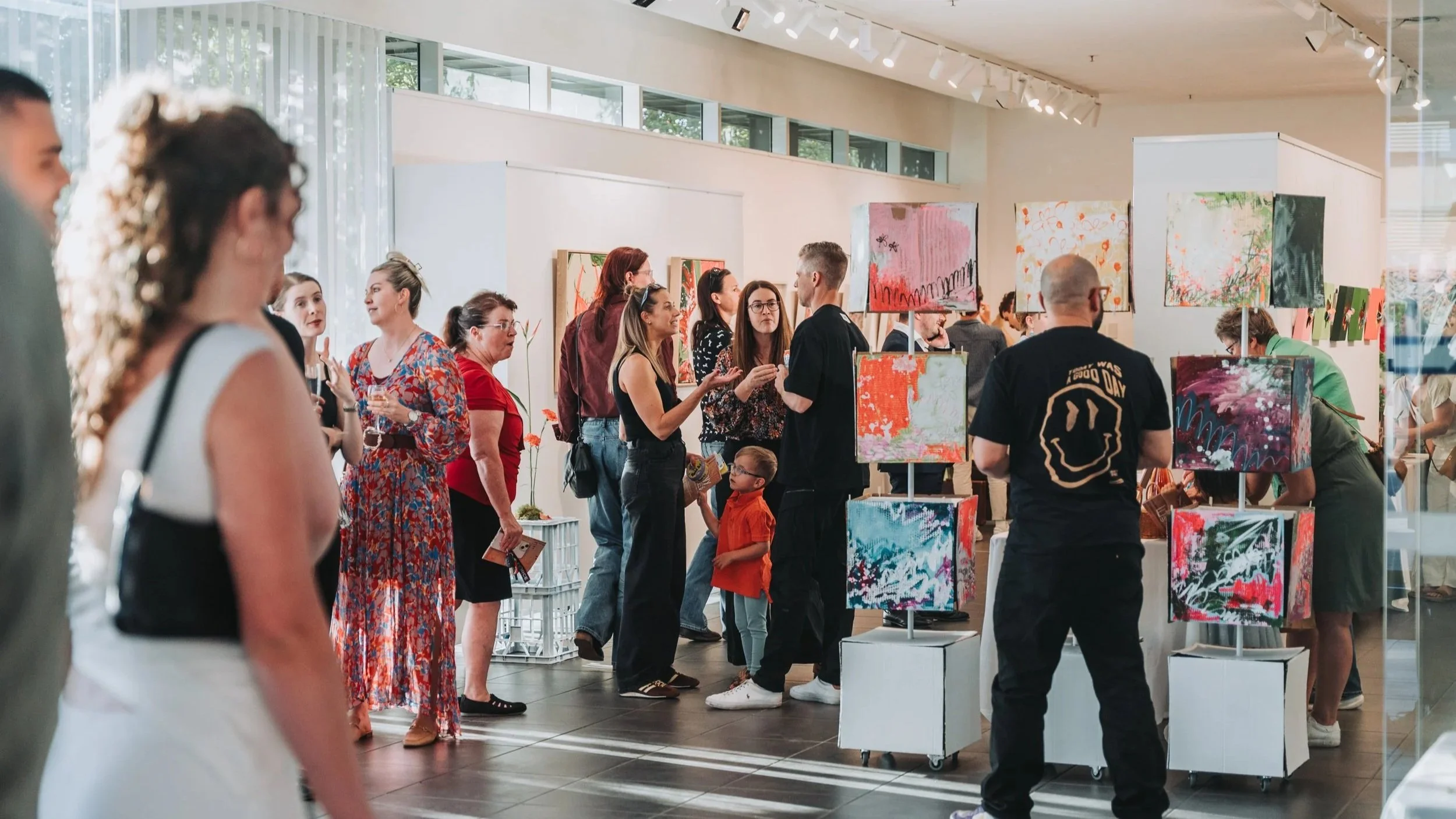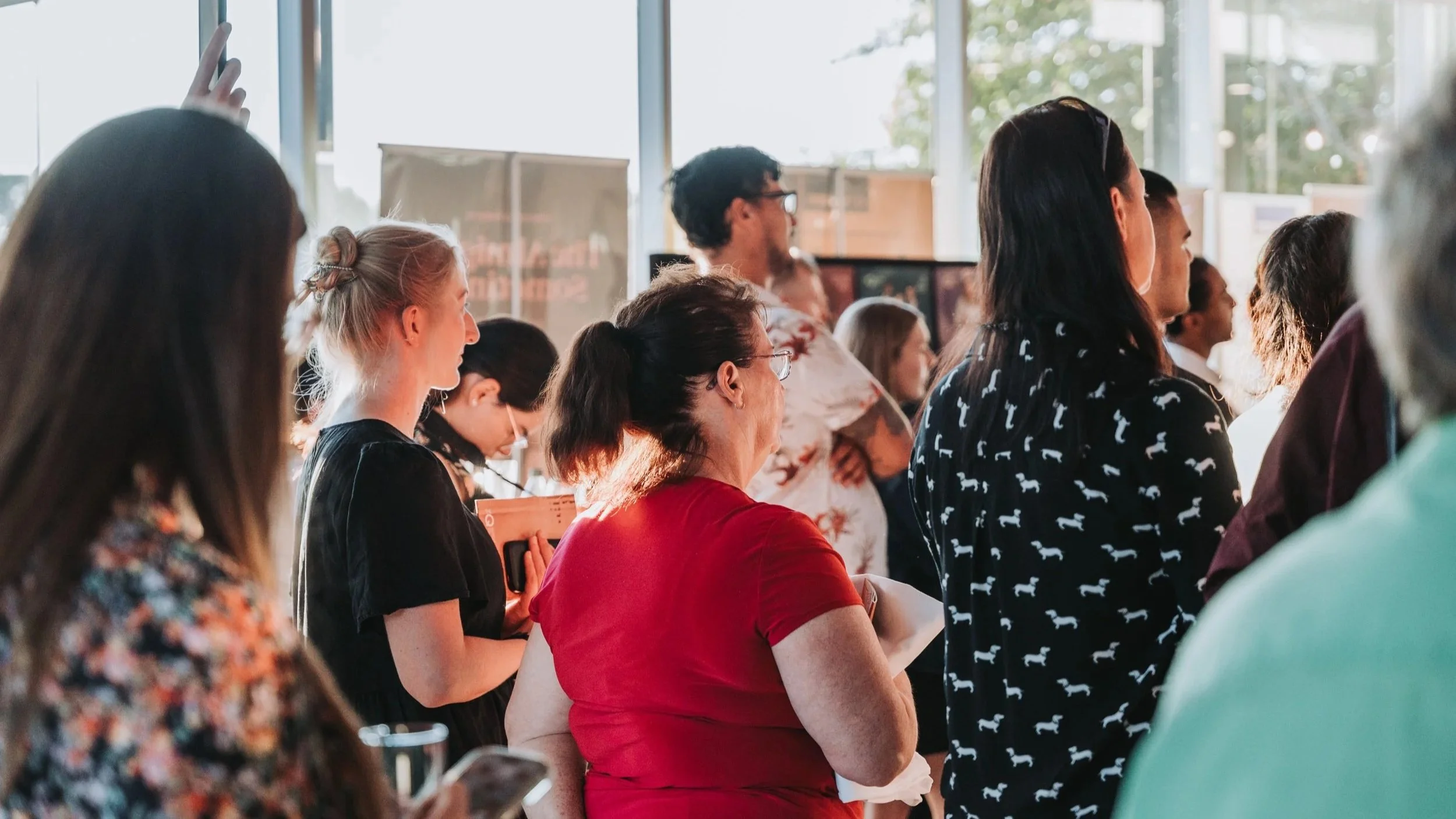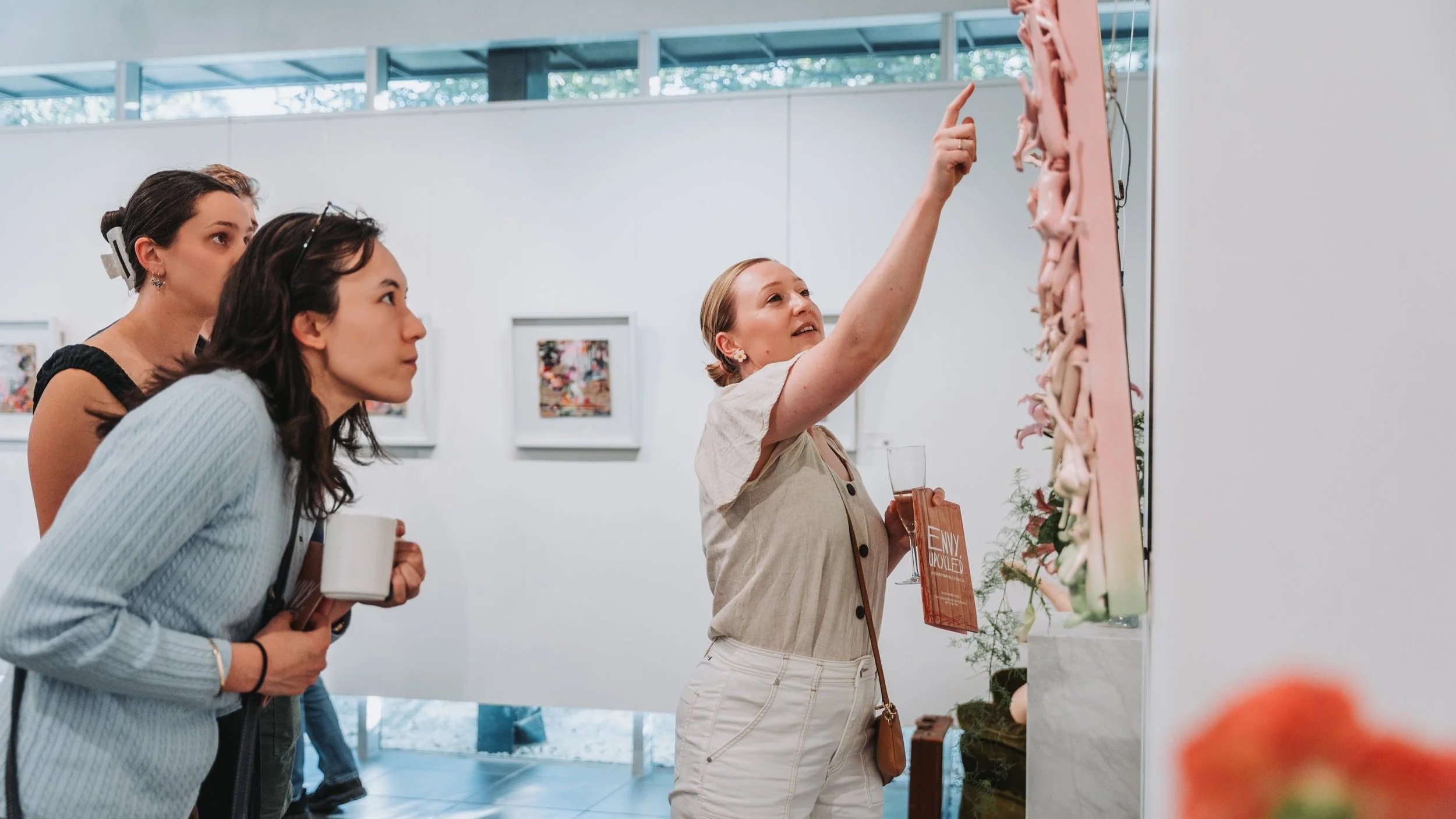
Envy, Upcycled was an exploration of comparison culture, self-worth, and the way we decide what holds value. Using recycled and discarded materials, I created a body of work that asked visitors to look again at what they treasure, what they overlook, and what they have been taught to hide. The exhibition opened with a ticketed launch at The Q, supported by a lived experience speaker and a silent auction that raised funds for the Butterfly Foundation, my official charity partner. Visitors explored the collection, engaging in thoughtful conversations, and connecting with the deeper themes of body image, perception, and beauty. The event was a celebration of community, creativity, and purpose, and marked a significant step forward in my commitment to art that sparks awareness and creates change.
ENVY, UPCYCLED
Envy, Upcycled explored comparison culture through recycled materials, interactive installations, and storytelling that invited visitors to look again at what they value.
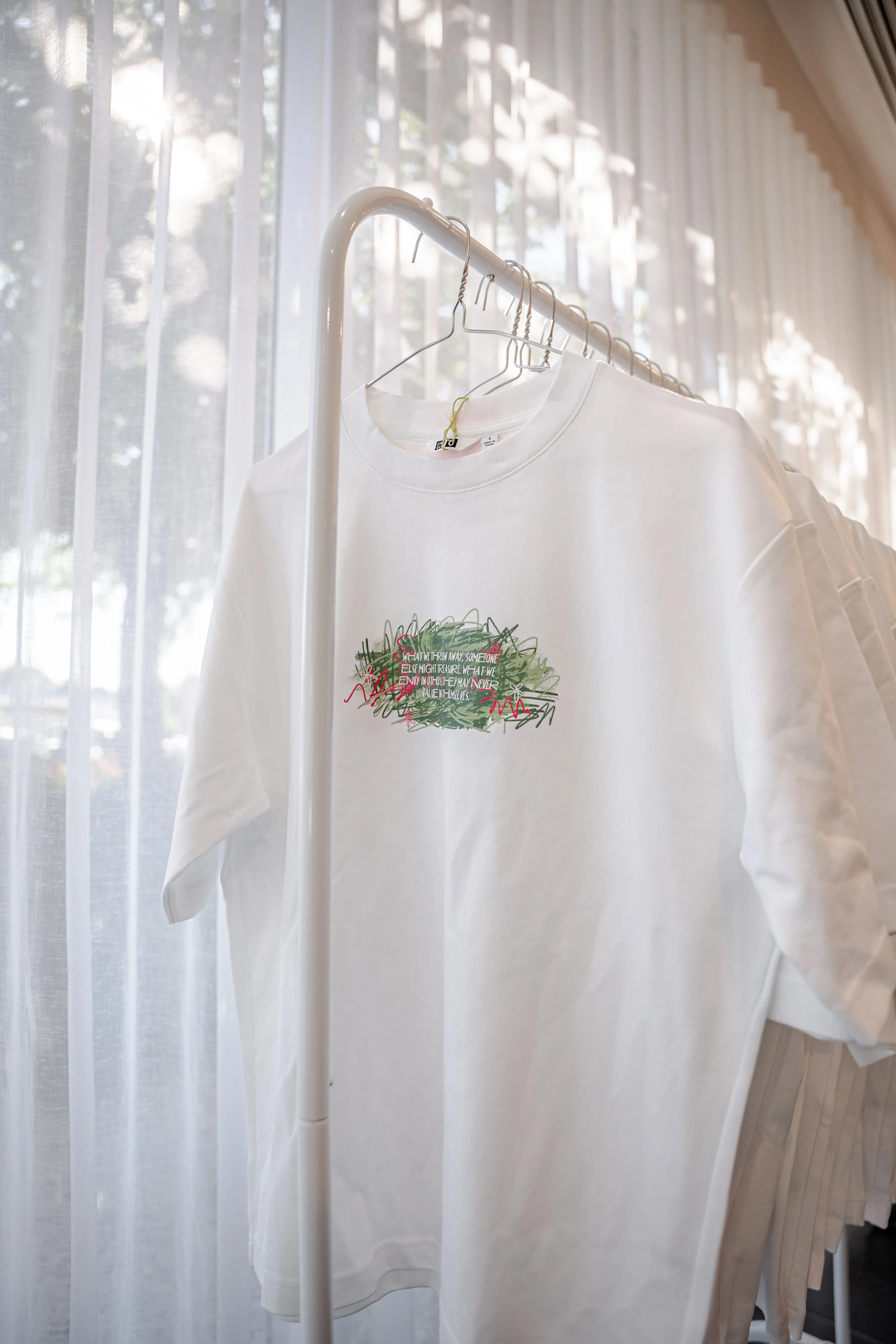
Envy, Upcycled was created to explore the way we see ourselves and the way we measure our own worth against others. At its core, the exhibition asked what might happen if envy is treated as a signal rather than a flaw. The works were built from recycled and discarded materials to reflect the experience of feeling overlooked or undervalued. I wanted visitors to engage with the idea that what we throw away, someone else might treasure, and what we envy in others might be something they do not value at all.
The creative direction took inspiration from CJ Hendry’s immersive installations, focusing on physical interaction, scale, and the use of everyday materials. This approach created a space that felt playful, reflective, and grounded in the raw honesty that underpins all of my work.
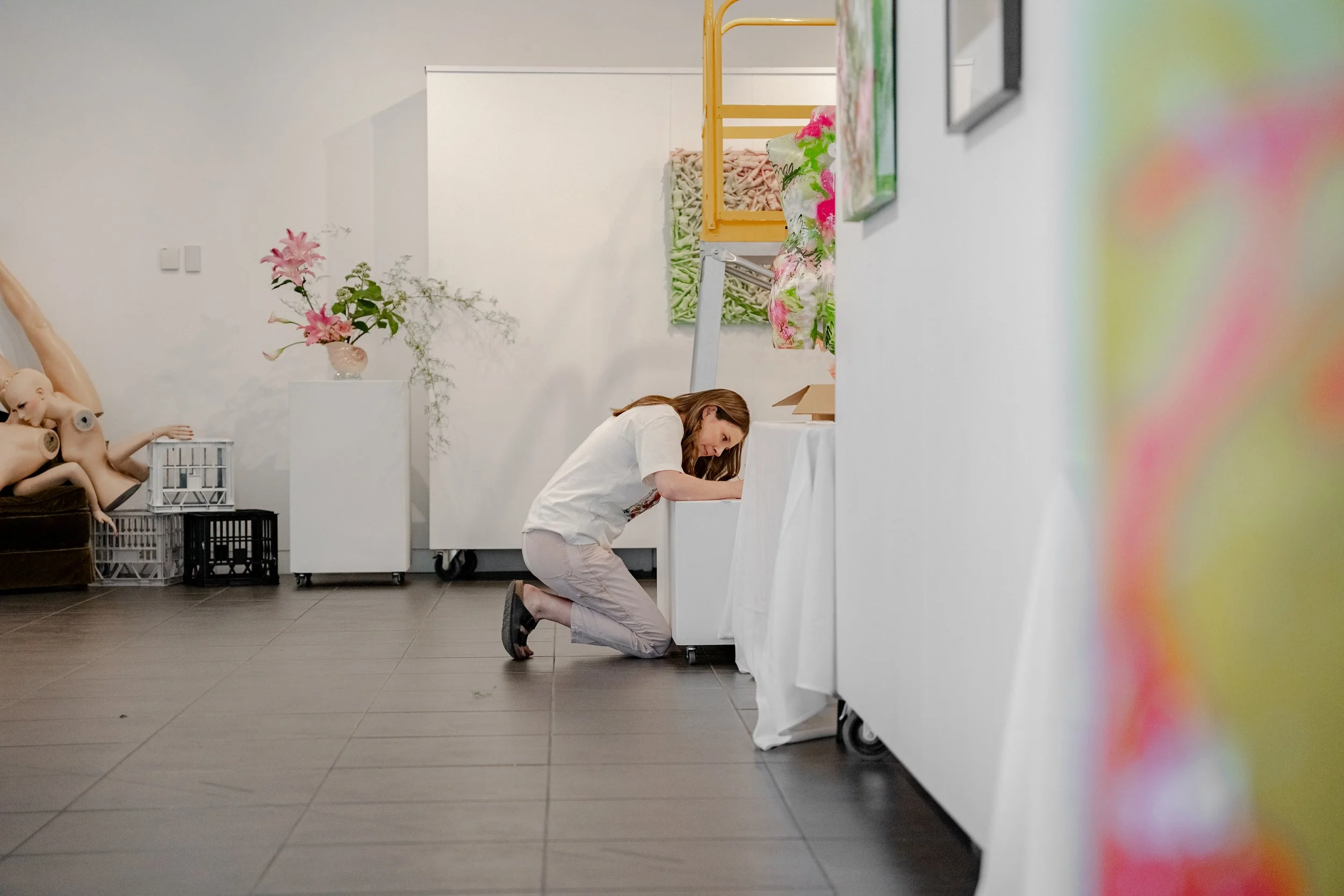
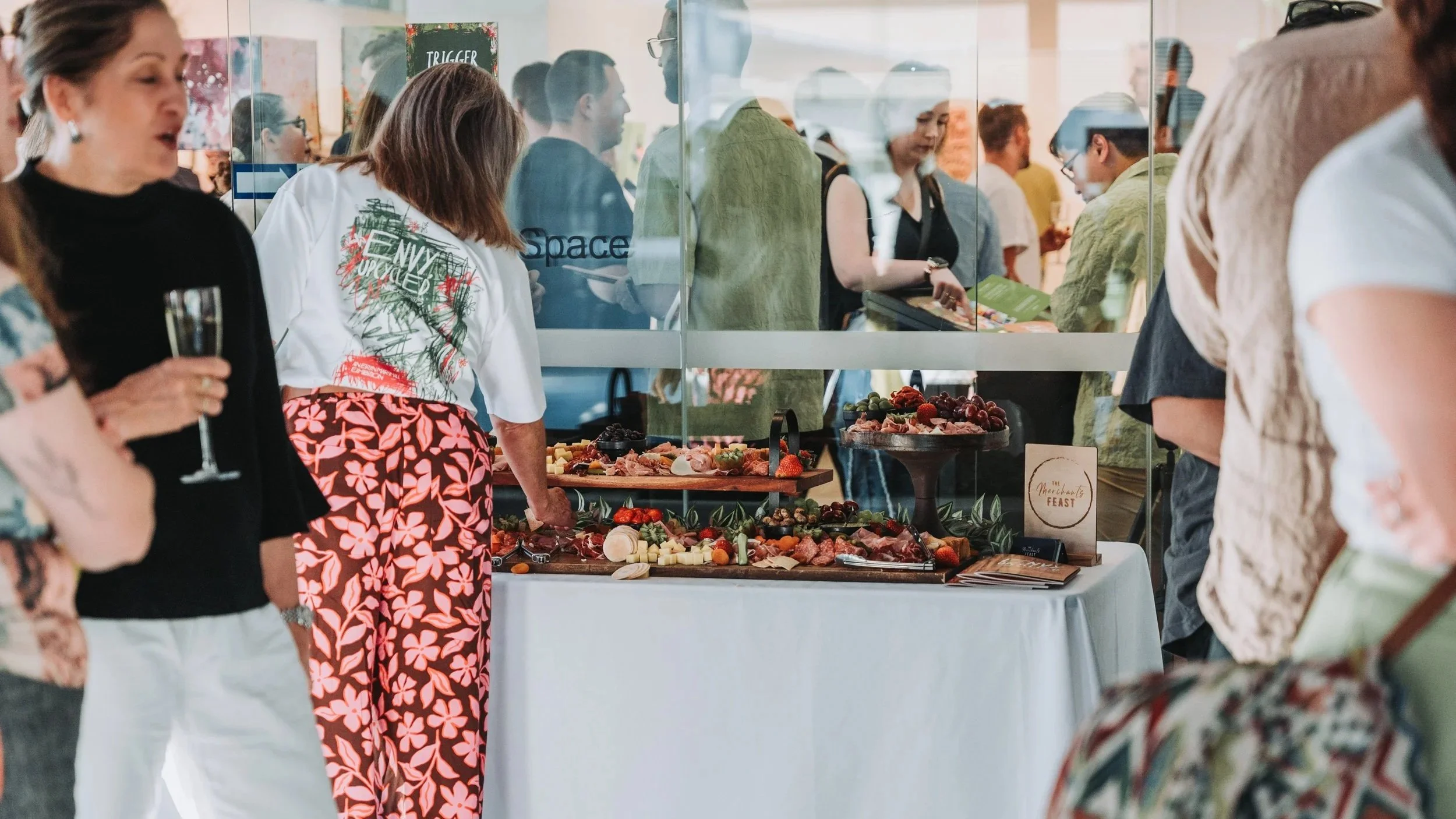
A ticketed launch, a lived experience speaker, and a sculptural installation that shifted throughout the night created an immersive and meaningful event for visitors.
Envy, Upcycled opened on 18 November 2025 with a ticketed launch event at The Q Exhibition Space. The evening began with a VIP hour, followed by the public viewing. Visitors were welcomed into an environment that encouraged curiosity and interaction.
Jane Murphy, an eating disorder lived experience speaker, shared her story. Her contribution helped frame the heart of the exhibition and anchored the night in its purpose to raise awareness and promote honest conversation.
The exhibition remained open for public viewing during The Q’s box office hours throughout the week. Visitors who attended performances of The Almighty Sometimes were also invited to explore the exhibition before the show, which helped draw new audiences into the space.
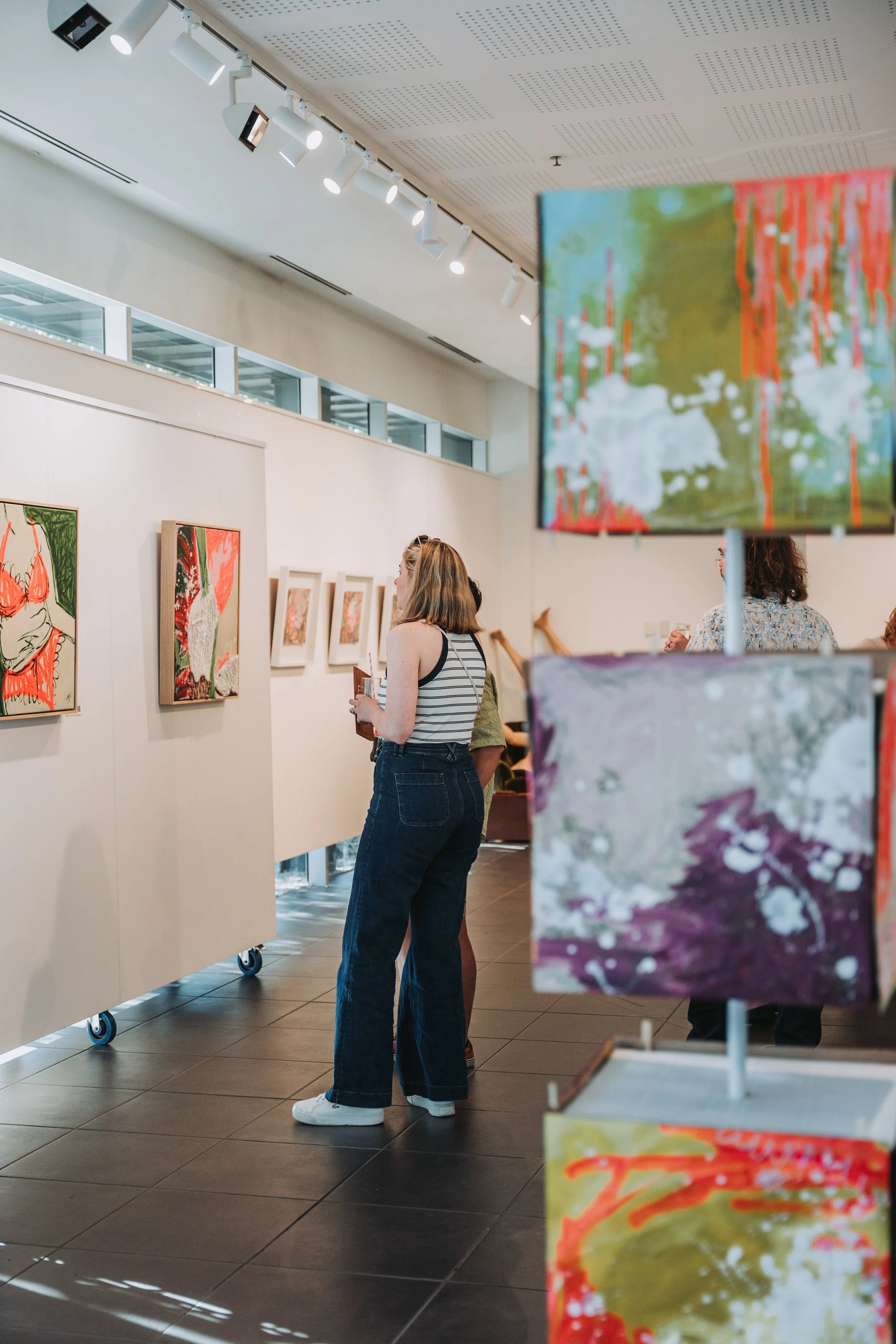
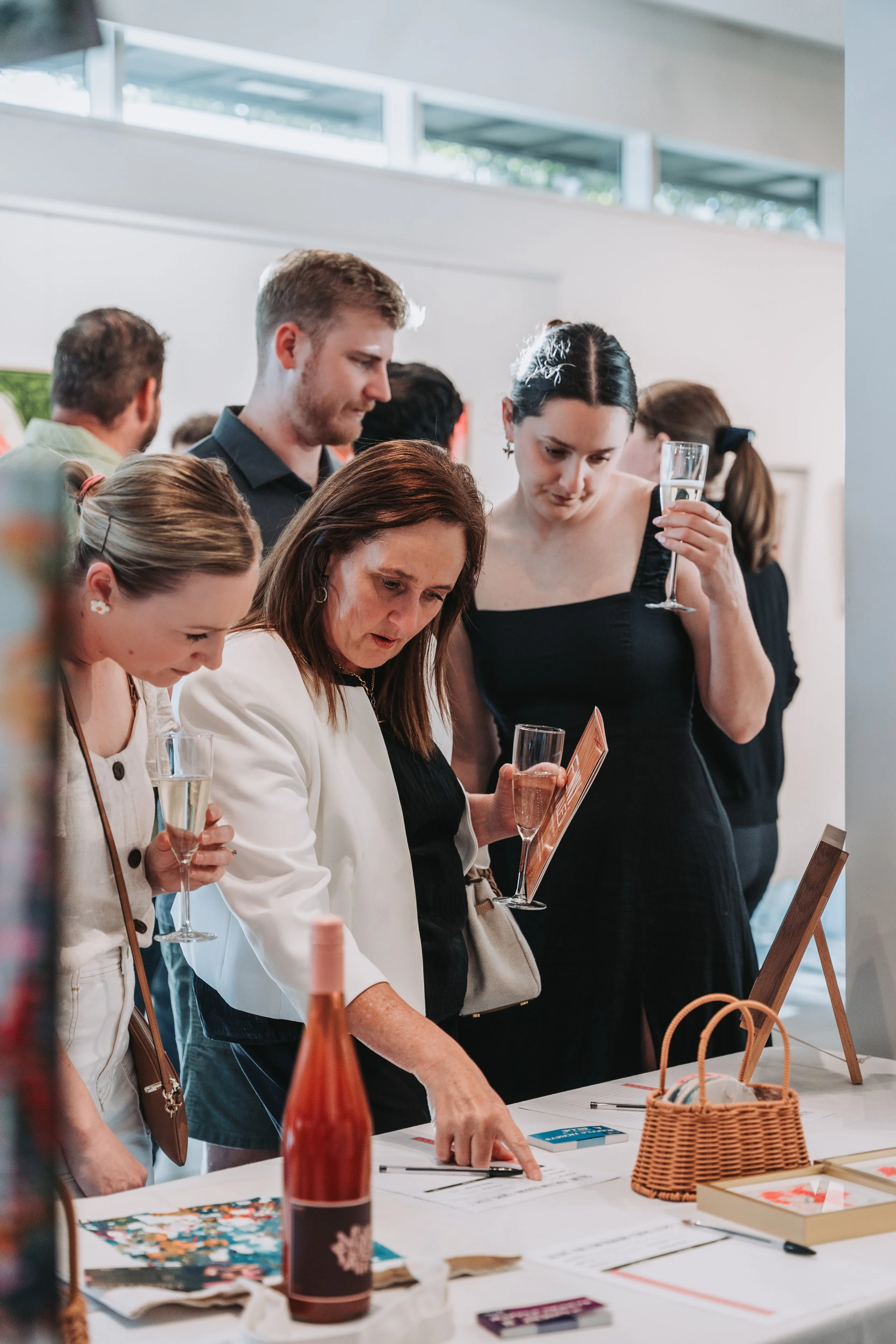
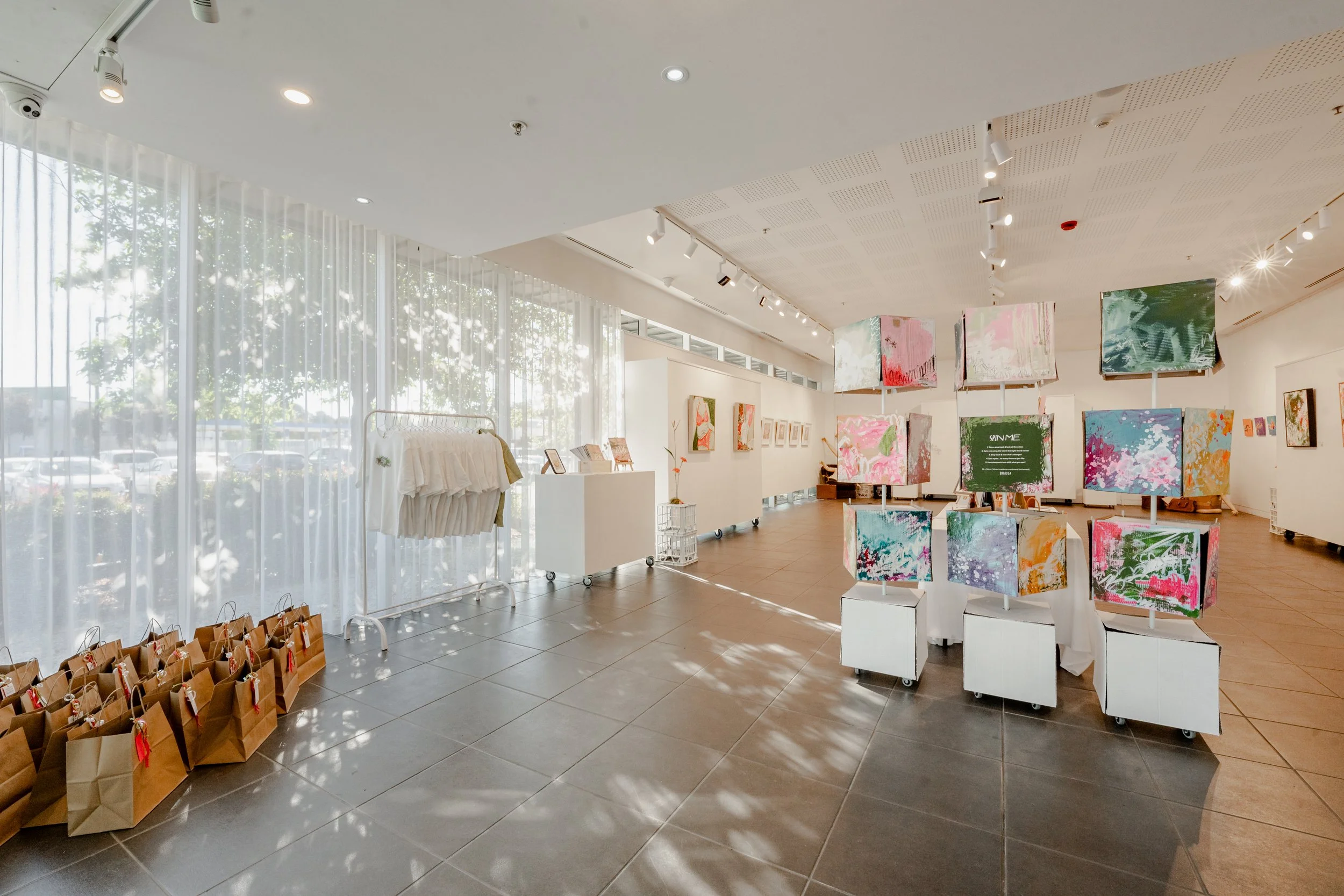
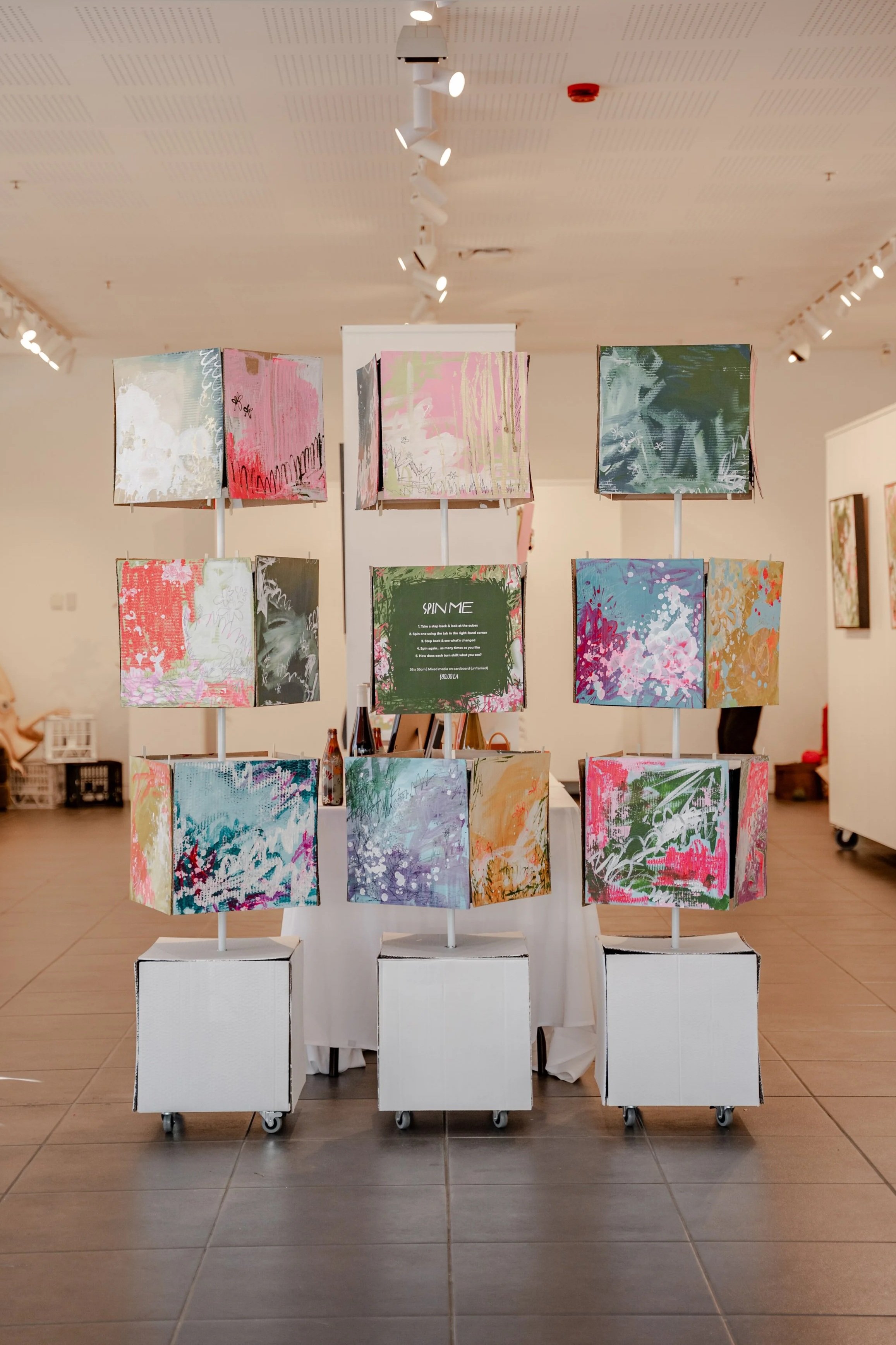
A spinning grid of painted milk crates invited visitors to build their own version of beauty using a DIY engineered system of crates, rods, and cardboard.
One of the most loved elements was the interactive installation made from a 3 by 3 grid of milk crates. Visitors could spin and swap the crates to create their own favourite version of the artwork, watching it change throughout the night as others added their own perspective. This installation represented the idea that everyone sees beauty differently, and value shifts depending on who is looking.
The build was entirely DIY, using milk crates, a shower rod, shelf inserts, cardboard, and even pool noodle to create a system that was both functional and symbolic. It held thirty two artworks and acted as a living, shifting piece that reflected the heart of the exhibition.
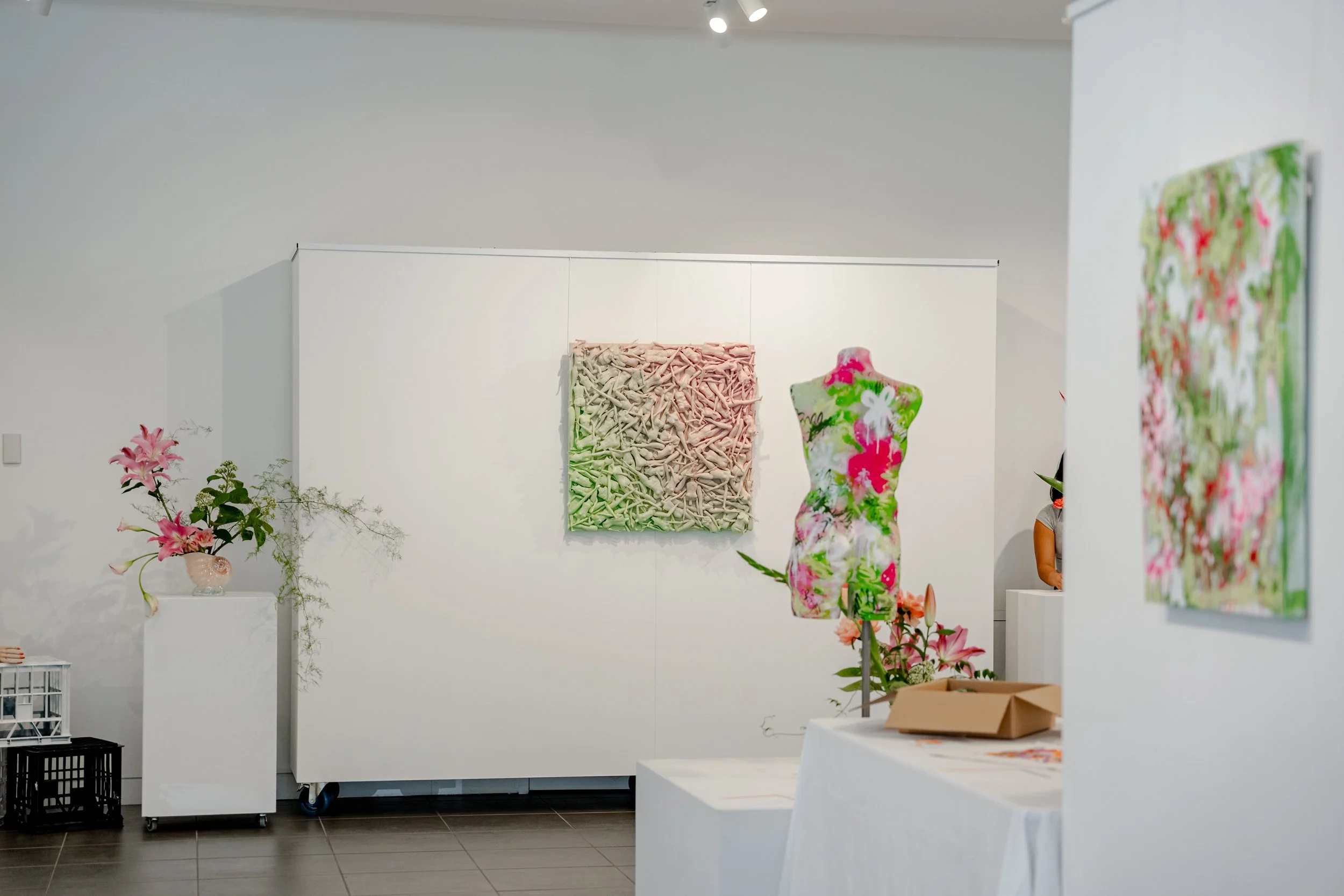
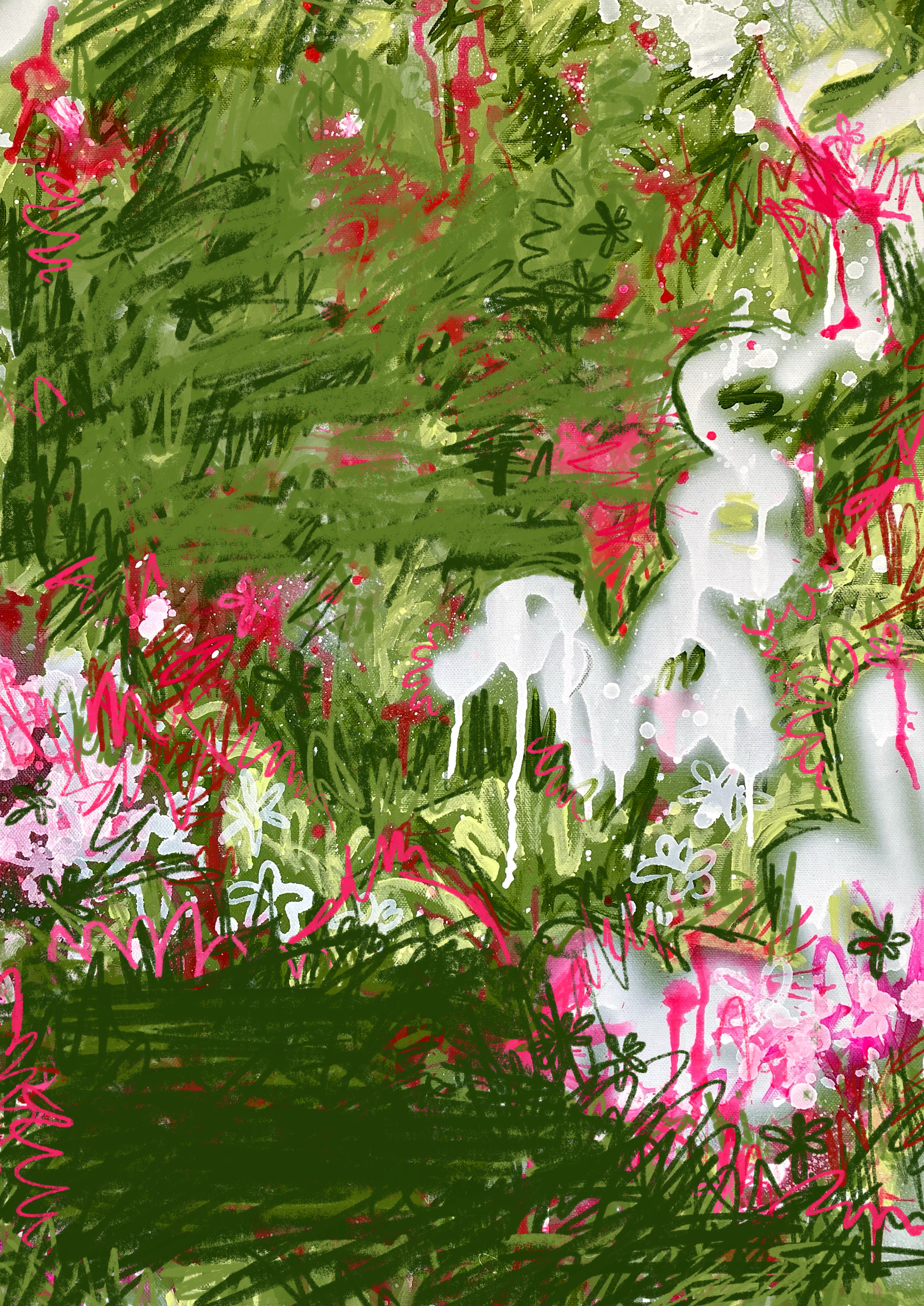
Sixty works across painting, sculpture, and mixed media explored identity, value, and the parts of ourselves we discard in exchange for feeling enough.
The exhibition featured 60 artworks, including framed pieces, sculptural works, interactive installations, and the spinning grid. 18 works sold during the exhibition period.
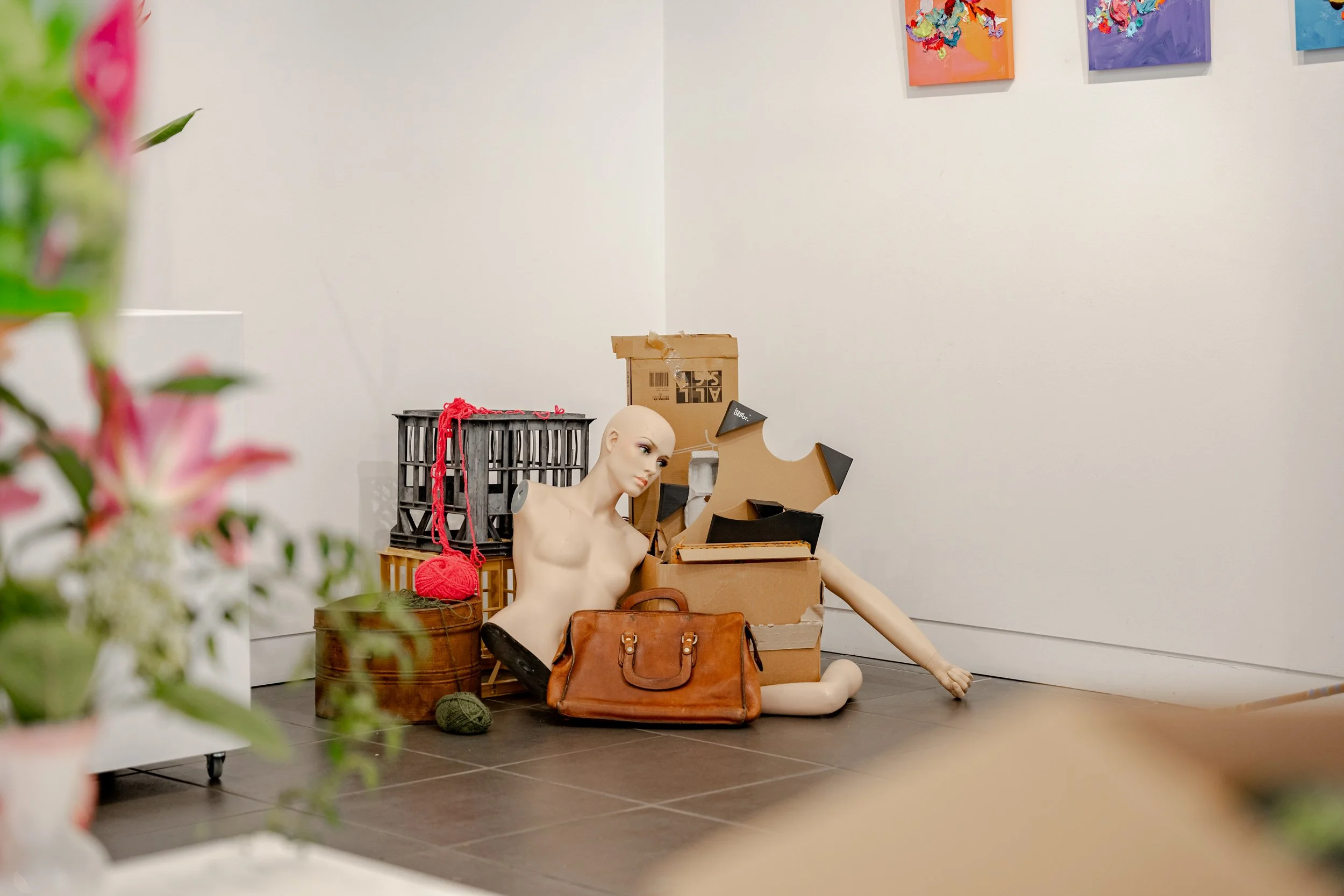
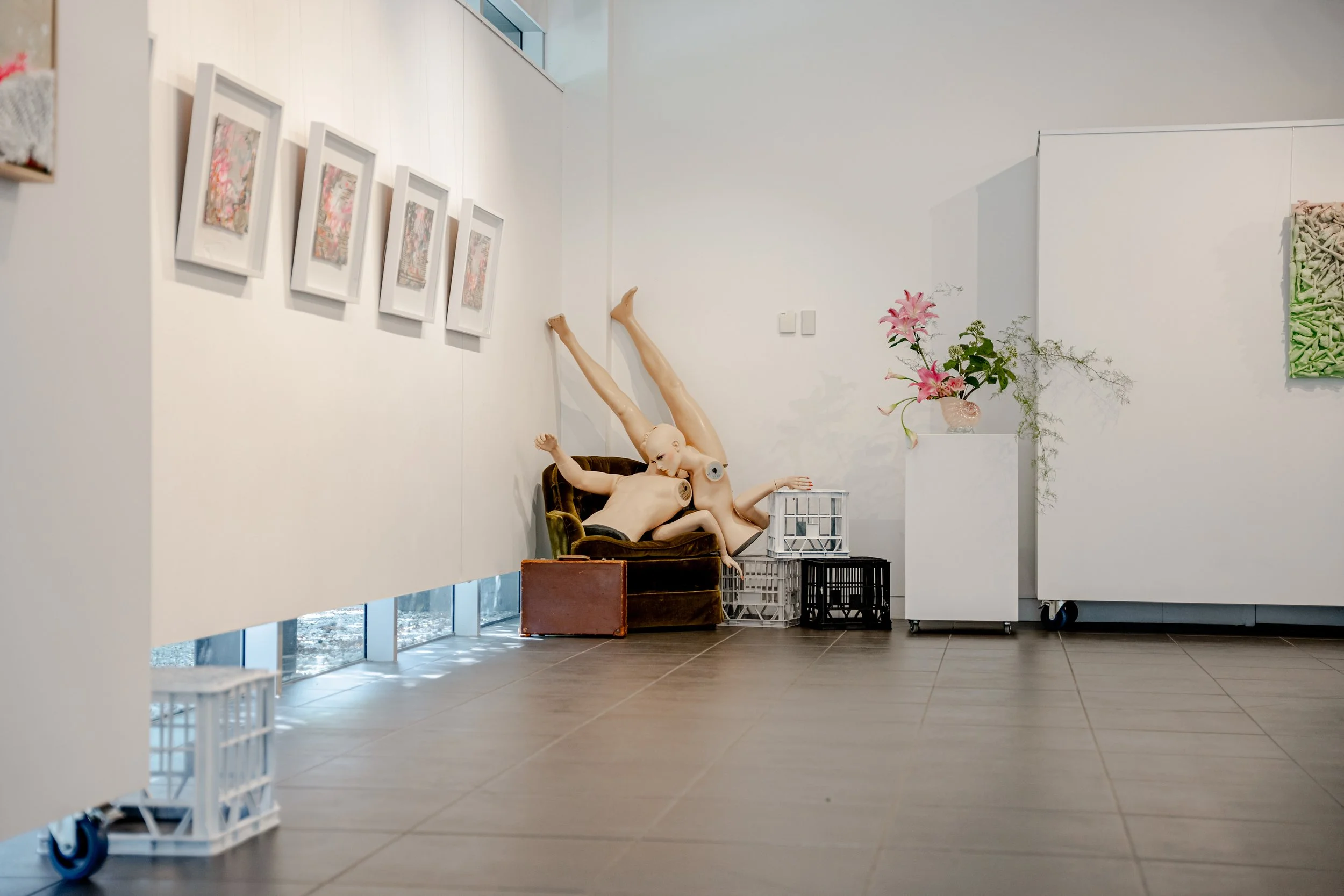
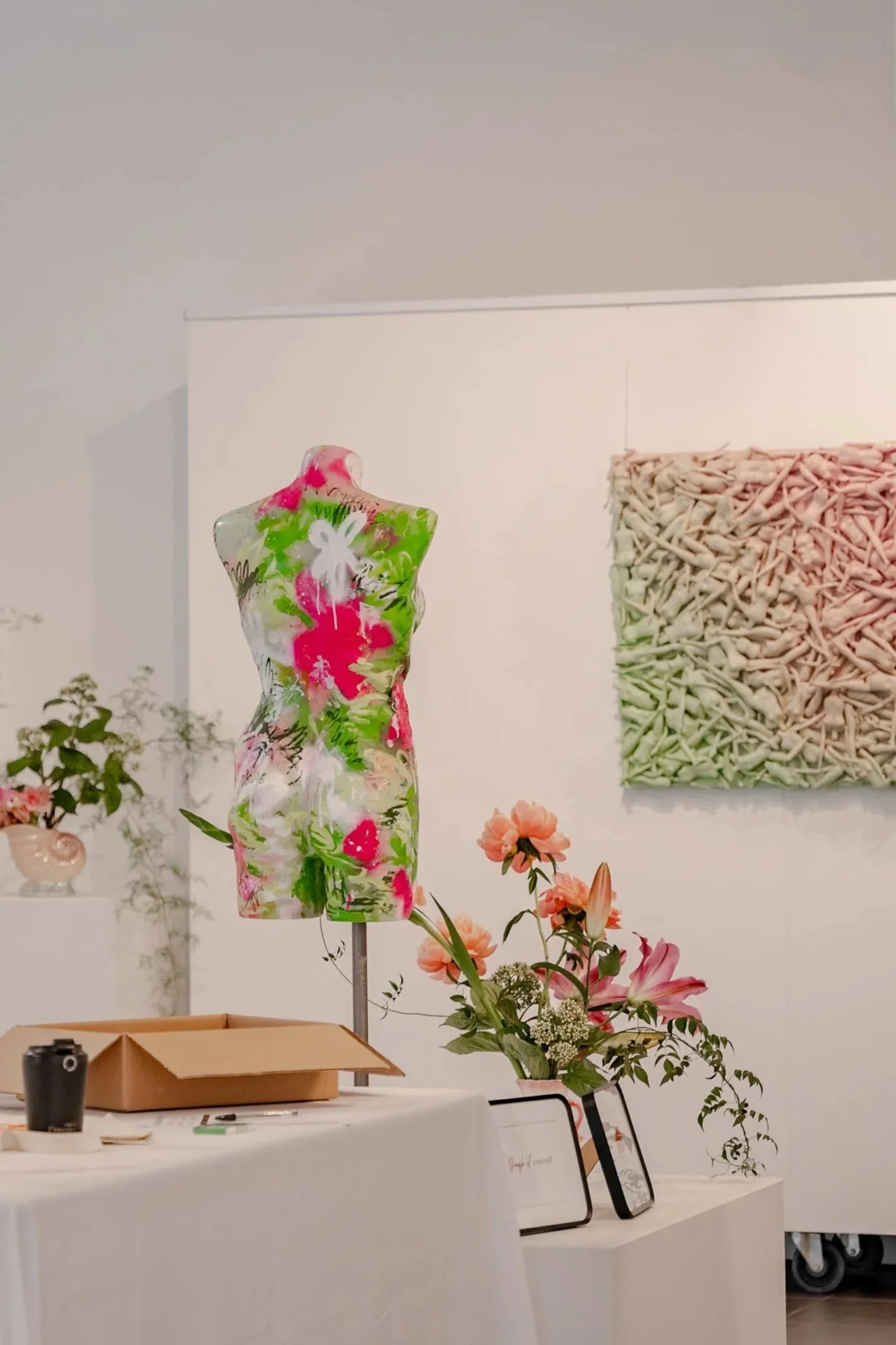
Two pieces held personal significance. The Barbies and the mannequin were items I bought when I first created my business in 2021. At the time the concepts felt misplaced because my audience then was focused on graphite portraits. Bringing them into Envy, Upcycled felt like a full circle moment. Both pieces were reshaped with clay, plaster, lumps, bumps, curves, and edges to celebrate the diversity of real bodies and challenge ideas about what an eating disorder can look like.
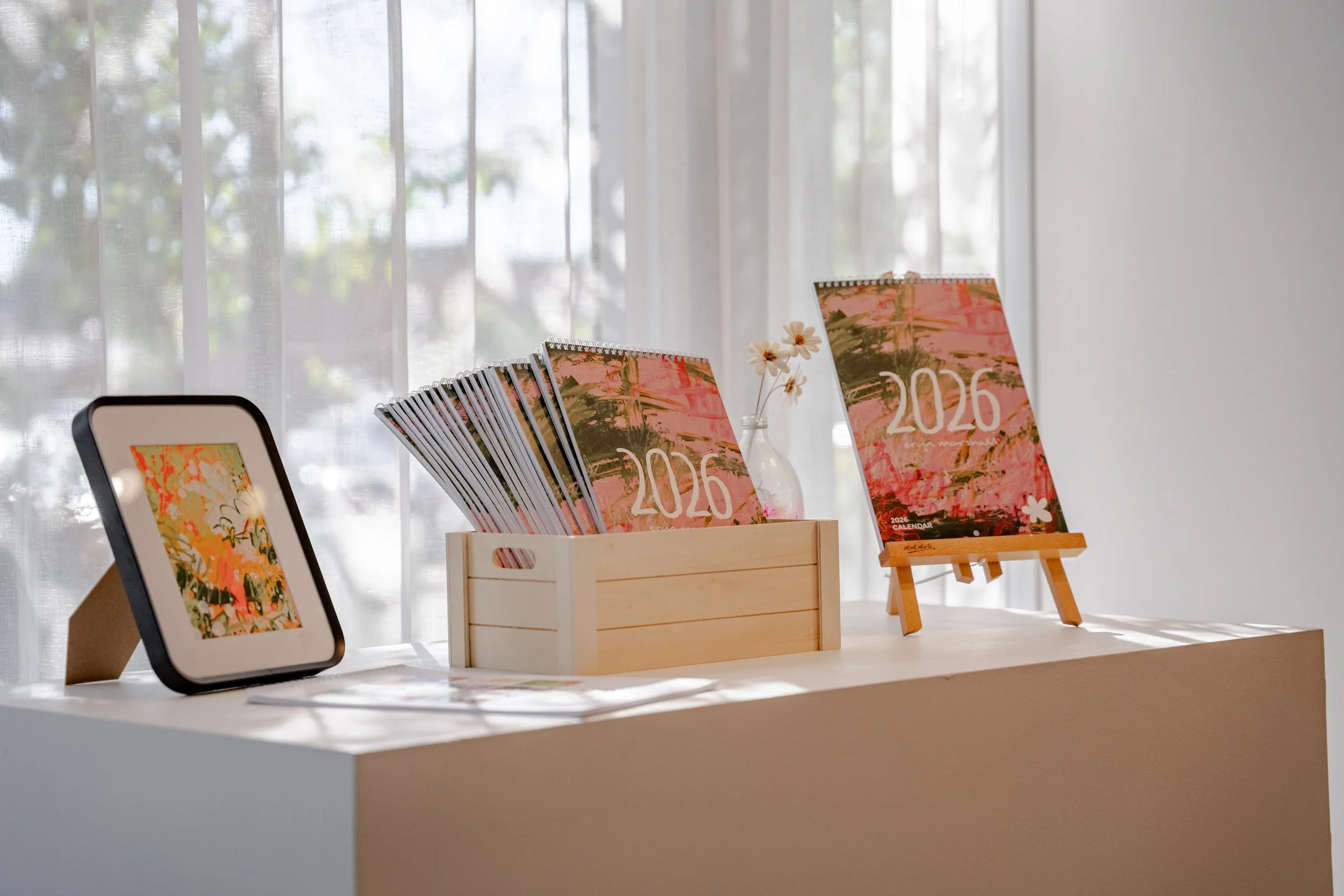
Limited edition tees and calendars were also released as part of the exhibition, offering small accessible collectables connected to the themes of the show.
Butterfly Foundation partnered with the exhibition, and together we raised $1,664 through art sales, tickets, and a silent auction.
Envy, Upcycled marked the beginning of my formal partnership with the Butterfly Foundation, an organisation whose mission aligns closely with my own lived experience of bulimia and BED. Although I have donated 5% of all art sales to Butterfly since 2021 and regularly use my work to open conversations about eating disorders and body image, this exhibition was the first time I announced a dedicated partnership as part of the exhibition itself.
For this event, I expanded my usual support by donating 10% of ticket sales and 100% of the silent auction winning bids. Local businesses contributed items, services, and vouchers, creating a strong sense of community involvement and shared purpose. Together we raised $1,664 for those impacted by eating disorders.
Visitors responded with care and openness, often sharing their own experiences or reflections on the themes of the work. It reaffirmed why I continue to use art as a way to spark connection and support those navigating recovery, body image, and self-worth.
The launch event welcomed guests with 123 tickets issued, reaching approximately half of the venue’s capacity. Throughout the exhibition period, 19 artworks sold, including framed pieces, sculptures, and works from the interactive installation. The atmosphere was warm and reflective, and visitors actively engaged with the themes of comparison, value, and self worth.
Audience responses showed that the exhibition’s core message resonated strongly. Many guests shared reflections about their own experiences with body image, envy, and perception, or spoke about how the work prompted them to reconsider the parts of themselves they tend to hide or discount. The interactive format encouraged participation, conversation, and connection, reinforcing the idea that beauty and value shift depending on who is looking.
The partnership with the Butterfly Foundation added purpose to the evening, with guests expressing appreciation for the advocacy and awareness embedded within the work. Between ticket sales, artwork purchases, and the silent auction, the event raised $1,664 for the Butterfly Foundation, supported by donations from local businesses and the contribution of a lived experience speaker.
Together, the results reflected the heart of Envy, Upcycled: art that invites honesty, community, and a new way of seeing ourselves.
A meaningful launch with 123 tickets issued, strong engagement with the exhibition’s themes, 19 artworks sold, and a community powered effort that raised funds and awareness for the Butterfly Foundation.